Cheyenne histories include Northern and Southern communities with distinct political experiences. These readings connect a Northern Cheyenne account of Tongue River country with Southern Cheyenne history and language work described by the Cheyenne and Arapaho Tribes in Oklahoma.
See each region’s evidence for historical or present-day scope.
Homeland / region
Great Plains
Research depth
Source guide
Source collection
4 annotated resources · 2 Indigenous-led
Inspected sources
3 substantive works · selected content reviewed
Initial adequacy
Still unfinished
Source review
October 28, 2026
A source guide for a deeper dive.This entry provides a brief orientation and an organized reading path. A comprehensive deep dive has not yet been completed. Follow the annotated sources and distinguish primary community accounts from outside reference material.
Still unfinished
A bounded actual-content starting path and specifically scoped credited picture are available. Fuller history, source comparison and community review remain open; quantity does not establish completion.
Assessment recorded October 28, 2026. This is separate from research completion and community review.
Read more Northern and Southern community-authored scholarship and original removal records.
Verify current language programmes separately from undated descriptions.
Compare naming interpretations with Cheyenne speakers.
Reservoir view is modern regional context, not confirmed reservation shoreline or a territorial claim.
Backdrop photographs & credits
These photographs have individual, documented connections to this entry. Their captions and source records define the people, place, object, and period shown; no one photograph represents every community within a broader label.
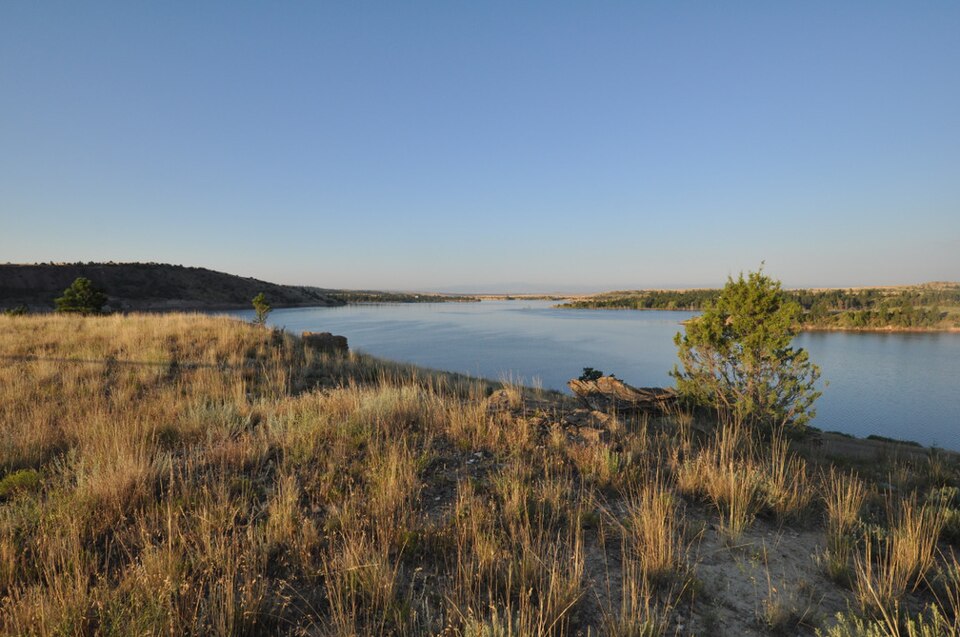
Tongue River Reservoir in southeastern Montana User:Magicpiano / Wikimedia Commons — CC BY-SA 4.0
Modern reservoir on the named Tongue River, as Northern Cheyenne regional context. Not confirmed reservation shoreline, historical river appearance, dam ownership, territorial boundary or all-Cheyenne representation. Complete available retrieved JPEG imported unchanged. Background/card CSS crops and overlays affect presentation; the opened page retains the complete available frame proportionally.
Image, association, and reuse record reviewed 2026-10-28.
Full photographs are displayed proportionally above. A translucent background copy may be cropped by the viewport; it does not replace the complete image or its record.
The visual treatment does not change the research status, evidence, or remaining gaps recorded in this profile.
Start reading here
A short purposeful path through selected actual-content works. Read annotations for community, period and inspection limits; this is not a complete history or community endorsement.
Compare the Southern Cheyenne path into Indian Territory and allotment.
These are selected starting points. The full annotated collection, source perspectives, inspection limits and remaining research questions follow below. A starting guide is not an exhaustive history or community endorsement.
01
Identity and context
Cheyenne people continue through northern and southern communities with distinct political histories.
Focus the next stage of research on: Tsitsistas and Suhtai names, Cheyenne language, land and northern and southern institutions. The sources below are selected reading paths; their authorship, dates and community scope should guide how they are used.
Moore’s Southern Cheyenne overview traces families’ movement into Indian Territory and later allotment. The Smithsonian’s Northern Cheyenne account centers on Tongue River country, removal and return. Read these as connected histories with different community and government settings.
The Smithsonian account connects Northern Cheyenne attachment to Tongue River country with removal and the struggle to return north. Major Robinson provides a named community perspective on homeland. The reservoir photograph is a modern regional view of that named river, not a depiction of historical boundaries.
The Cheyenne and Arapaho Tribes describes teaching for two distinct languages, including community and online instruction, youth learning and work with elders. This is a route into public language education, not evidence that every Cheyenne community uses one programme or that all stated goals have been achieved.
Read more Northern and Southern community-authored scholarship and original removal records.
Verify current language programmes separately from undated descriptions.
Compare naming interpretations with Cheyenne speakers.
Reservoir view is modern regional context, not confirmed reservation shoreline or a territorial claim.
Cohort10: selected actual-content reviews preserve their institutional/community scope. Existing source cards are upgraded at the same ID and URL where noted; repeated publications are not globally new works.
Follow the reading path
Sources & further reading
Open any title to read the original source. Annotations explain what each link can help you explore.
No Indigenous-led source is identified in this entry yet. This is a gap in this collection, and does not imply an absence of community knowledge or organization.
John H. Moore’s historical overview is useful for Southern Cheyenne movement into Indian Territory and later allotment. Older population and government descriptions are not current figures or legal analysis.
Inspection: Content reviewed for the stated scope
Scope: Actual article body and attribution/publication footer read. Synthesis selects paragraphs beginning At the close of the Civil War, After 1869 and Initially; northern/southern paths, reservation settlement and allotment. Ceremony and legal-status passages not republished.
Review recorded: October 28, 2026
Access note: Actual selected public body inspected 2026-10-28 through normal HTTP200 retrieval, web reader or stated PDF pages. No bypass or outreach. Linked works, original records, audio and pictures were not automatically inspected or licensed. Published January15, 2010. Old population/speaker figures and governing structures are not adopted as current. Differing naming translations are not forced into consensus. Cited books and original records uninspected.
The Tribes’ programme descriptions explain teaching and public cultural work for two distinct languages and peoples within this shared Oklahoma government context.
Inspection: Content reviewed for the stated scope
Scope: Actual Culture Program paragraphs on public education/repatriation and Language Program introductory paragraphs on community/online teaching, youth/adult learning and elders. Selected Cheyenne historical introduction read. No ceremonial instructions republished.
Review recorded: October 28, 2026
Access note: Actual selected public body inspected 2026-10-28 through normal HTTP200 retrieval, web reader or stated PDF pages. No bypass or outreach. Linked works, original records, audio and pictures were not automatically inspected or licensed. Undated goals do not establish current participation, fluency or outcomes. Recordings were not heard; photographs and art are not reused.
Community or Indigenous-organization perspective linked for this entry. Use “Office of the Governor | Cheyenne and Arapaho Tribes” to begin with the publisher’s own account; check whether its scope is one community or a wider people.
An educational account pairs historical narrative with an attributed Northern Cheyenne perspective from Major Robinson. The selected public history connects Tongue River country, forced removal and return.
Inspection: Content reviewed for the stated scope
Scope: Actual web-reader body: Tongue River Country paragraphs, Fort Robinson/removal-return narrative and Major Robinson’s homeland/community reflections. Audio not played. Sacred landscape, burial and ceremonial units not used.
Review recorded: October 28, 2026
Access note: Actual selected public body inspected 2026-10-28 through normal HTTP200 retrieval, web reader or stated PDF pages. No bypass or outreach. Linked works, original records, audio and pictures were not automatically inspected or licensed. Direct local retrieval403; ordinary web reader exposed selected actual body without bypass. No full interactive/audio experience, original military records, image reuse or current reservation-boundary review claimed.