People / related local community reading contexts · Added to the original list
Guaiquerí
This starting route brings together Guaiquerí historical interpretation, a named urban community case in Margarita and a maritime archive. These sources do not make every island resident part of one community.
Southern Caribbean / Margarita and connected eastern Venezuelan island communities
Research depth
Source guide
Source collection
4 annotated resources · 0 Indigenous-led
Inspected sources
3 substantive works · selected content reviewed
Initial adequacy
Still unfinished
Source review
October 29, 2026
Names & relationshipsA broader reading label related to the specifically documented El Poblado community context. It is not one government, a statement that every Margarita resident or fishing family shares an identity, or an ancestry test.
A source guide for a deeper dive.This entry provides a brief orientation and an organized reading path. A comprehensive deep dive has not yet been completed. Follow the annotated sources and distinguish primary community accounts from outside reference material.
Still unfinished
Selected actual-content works and a narrowly scoped credited Cubagua photograph provide a starting route. Fuller community-led histories and comparisons remain open; quantity does not establish completion or endorsement.
Assessment recorded October 29, 2026. This is separate from research completion and community review.
Seek community-published histories and named local institutions alongside scholarly interpretation.
Confirm community-preferred spelling, current self-designations and relationships before creating separate local routes.
Do not adopt unreviewed language classifications, ancestry purity, universal religion, population figures or legal-status claims.
Specific archive records, oral histories and source reproduction rights remain unreviewed.
Backdrop photographs & credits
These photographs have individual, documented connections to this entry. Their captions and source records define the people, place, object, and period shown; no one photograph represents every community within a broader label.
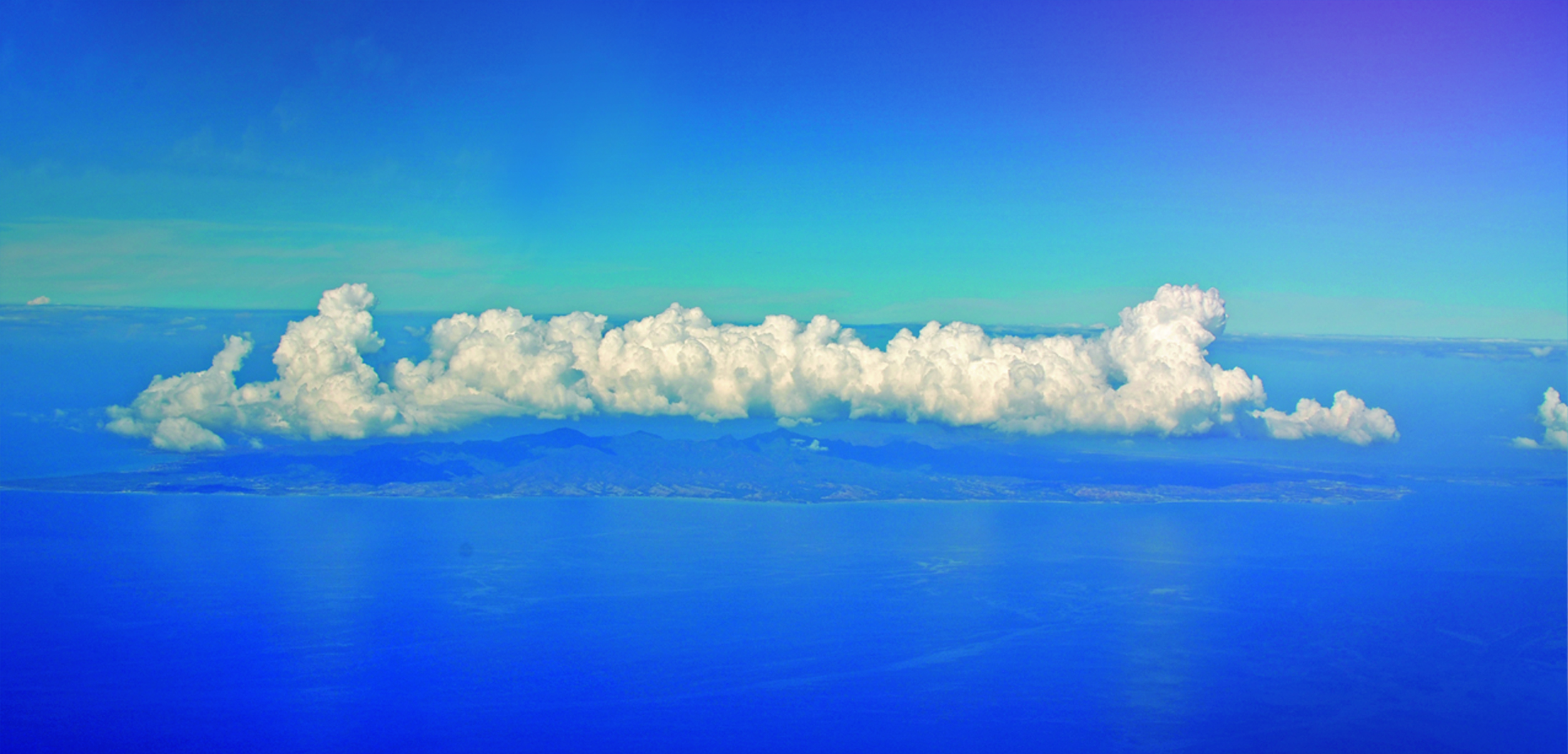
Isla Cubagua — modern island context Rodian / Wikimedia Commons · CC BY 3.0
A modern photograph identified in its source as Isla Cubagua, used as named-island geographic context for the Guaiquerí route. UCLA’s archive-project account explicitly connects Cubagua fishing communities and particularly Guaiquerí identity. This is not a portrait of a named community, a reconstruction, a historical territory, evidence that all island residents belong to one people, or an all-Margarita ancestry claim.
Image, association, and reuse record reviewed 2026-10-29.
Full photographs are displayed proportionally above. A translucent background copy may be cropped by the viewport; it does not replace the complete image or its record.
The visual treatment does not change the research status, evidence, or remaining gaps recorded in this profile.
01
Reading the historical name
Antczak and colleagues examine how Guaiquerí labels changed under colonial rule. Their interpretation should be distinguished from an official definition of present membership.
Aguilera’s 2021 essay describes Guaiquerí identity in El Poblado, also called Caserío Francisco Fajardo. It treats urban cultural change as compatible with identity, rather than proof of disappearance.
The Archivo Guaiquerí project and UCLA describe preservation work on Museo Marino de Margarita collections. Inventoried materials and family memories offer future reading; an inventory is not a fully inspected public collection.
Seek community-published histories and named local institutions alongside scholarly interpretation.
Confirm community-preferred spelling, current self-designations and relationships before creating separate local routes.
Do not adopt unreviewed language classifications, ancestry purity, universal religion, population figures or legal-status claims.
Specific archive records, oral histories and source reproduction rights remain unreviewed.
Follow the reading path
Sources & further reading
Open any title to read the original source. Annotations explain what each link can help you explore.
No Indigenous-led source is identified in this entry yet. This is a gap in this collection, and does not imply an absence of community knowledge or organization.
Academic / referenceUnidad de Estudios Arqueológicos, Universidad Simón Bolívar; Sidestone Press offprintSource 1
Read the two regional cases as a scholarly argument about changing labels, power and continuing identity, not a catalogue of timeless tribes.
Inspection: Content reviewed for the stated scope
Scope: Actual primary-hosted 48-page chapter offprint indexed body read selectively: title/author/publication pages; printed pp.139–151 / PDF pp.7–19 for approach and Caquetío/Guaiquerí colonial case discussions; selected concluding passages printed pp.155–156 and158 / PDF pp.23–24,26. Not the full chapter, bibliography, entire edited book or original colonial records.
Review recorded: October 29, 2026
Access note: Actual selected PDF body was readable in the web tool. No local original PDF or figure reuse claimed. Linguistic identity, chronology and the relation between archaeological styles and named peoples need further specialist review. No phenotype, genetic purity, sole present government or disappearance conclusion adopted.
A precise local-community example in urban Margarita, useful for distinguishing cultural change from a disappearance claim.
Inspection: Content reviewed for the stated scope
Scope: Actual normally downloaded 14-page PDF: title/abstract on PDF p.2 / printed p.143; selected case passages on PDF p.4 / printed p.145 and PDF pp.9–10 / printed pp.150–151 read. These discuss a Guaiquerí community in El Poblado/Caserío Francisco Fajardo and the author’s interpretation of cultural change. Other theoretical pages and cited underlying fieldwork were not inspected.
Review recorded: October 29, 2026
Access note: PDF is issue28(2), July–December2021; DOI/hosting record may be later, so filename2023 is not a publication-date claim. One web-tool fetch was restricted, but a single ordinary original-URL request succeededHTTP200. No ancestry purity, all-resident identity, present legal recognition, universal religion or claimed five-century date is adopted.
A substantial introduction to archive provenance and community-linked preservation; specific records remain future reading.
Inspection: Content reviewed for the stated scope
Scope: Actual project body, web lines19–75 and80–109: scope, inventory versus digitization, provenance of Cervigón/Cruxent collections, preservation process and item-specific rights warning. Catalogue contents, all individual objects, interviews and listed maps were not inspected.
Review recorded: October 29, 2026
Access note: One normal terminal request returned403 and stopped; actual body remained available through the web reader. The independent UCLA project page confirms the named project. Do not count the same project description twice, claim the whole inventory is published, copy materials under a blanket licence or infer that every fishing family is Guaiquerí.
Independent institutional confirmation of the named archive and its planning-versus-publication scope.
Inspection: Supporting or limited review; see scope
Scope: Actual project record: About the Project English/Spanish paragraphs and More Information, web lines5–28. Named leads/host were read as project metadata, not current officer claims. Outreach photo and linked essay not inspected.
Review recorded: October 29, 2026
Access note: Corroborates the project/provenance; shares a described project with the Archivo site and is supporting only, countsTowardMinimum:false. No inventory totals, impact evaluation, entire digitized collection or universal Guaiquerí membership inferred.
Related entries may represent alternate names, constituent communities, wider groupings, or historical connections. Read the naming notes before treating entries as equivalent.
Robey’s Atlas of Indigenous North America · Compiled October 19, 2026 · Guaiquerí